Snow Cloud: A Winter Embroidery Design Worth Stitching
First Impressions: Soft, Serene, and Surprisingly Versatile
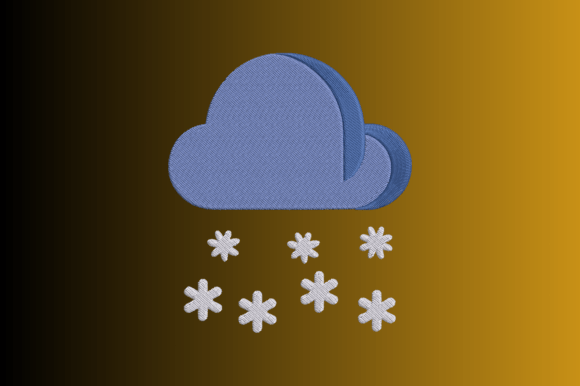
When I opened Snow Cloud for the first time, I didn’t see just another winter motif—I saw quiet intention. It’s not a flurry or a blizzard; it’s a single, gently drifting cloud dusted with snowflakes—minimal but evocative, airy but grounded. The shape reads clearly at small scale, yet holds visual weight when enlarged. There’s no heavy outlining or aggressive satin stitch borders—just thoughtful layering of fill and running stitches that suggest softness, not stiffness. That mood—calm, cozy, quietly festive—is exactly what makes Snow Cloud stand out in a sea of overdesigned holiday embroidery files.
A Real Project Test: Custom Linen Tea Towels for a Local Boutique
Last week, I stitched Snow Cloud onto a set of heavyweight linen tea towels for a downtown gift shop’s holiday collection. Why tea towels? Because they’re unforgiving—wrinkles show, thread tension is obvious, and customers touch them daily. I used medium-weight cutaway stabilizer, 40-weight cotton thread, and kept the design under 3.5 inches wide. The result? Clean, breathable stitching with gentle texture—not stiff or plasticky. Customers paused mid-aisle to run their fingers over it. One said, “It feels like winter air.” That’s the kind of reaction you want—not just “cute,” but *felt*.
Where Snow Cloud Shines (and Where It Asks for Thought)
Snow Cloud excels on structured, stable fabrics: denim aprons, cotton sweatshirts, canvas tote bags, and baby blankets. Its open composition avoids dense fill areas, so it breathes well on knitwear and won’t pucker on lightweight quilting cotton. As a machine embroidery design, it translates beautifully into embroidered patches—especially when backed with twill or iron-on adhesive for durability.
But it’s not universal. On highly textured fabrics like bouclé or thick terry cloth, some delicate snowflake details may soften or blur. On stretchy jersey or ribbed knits, you’ll need excellent stabilization—and possibly slight digitizing tweaks if your version includes fine interior lines. And while it works on dark fabric, test thread colors carefully: a pale ecru or heather grey often reads more softly than stark white, preserving the design’s whisper-light personality.
Smart Use Cases for Craft Business Owners
- Etsy sellers: Pair Snow Cloud with neutral-toned organic cotton onesies—it reads as premium, not mass-produced, and photographs beautifully in natural light.
- Small shop product: Stitch it subtly on the chest of a charcoal crewneck sweatshirt for a boutique apparel line—elegant enough for gifting, understated enough for everyday wear.
- Personalized gift: Combine it with a monogram on a linen pillow cover—no competing elements, just warmth and intention.
- Digital embroidery file buyers: Use it as a standalone element in printable mockups—its clean silhouette scales cleanly across social thumbnails, listing banners, and packaging labels.
What This Design Does for Your Brand—Beyond the Stitch
Customers don’t just buy embroidery—they buy feeling, care, and distinction. Snow Cloud supports all three. Its restraint signals craftsmanship, not automation. When used thoughtfully—say, on a hand-stitched seam of a handmade apron or as a subtle accent on a holiday kitchen towel—it reinforces trust. Buyers associate that clarity and calm with your attention to detail. For Etsy sellers and creative entrepreneurs, that perception directly lifts perceived value, repeat orders, and word-of-mouth referrals.
It also plays well across seasons: yes, it’s a Winter design—but its simplicity keeps it from feeling dated by January 2nd. I’ve seen makers use it year-round on “cozy core” branding—think coffee sleeves, notebook covers, or even nursery decor where “snow” reads as whimsy, not weather.
Practical Designer Notes Before You Stitch
Before committing to a client project or bulk production:
- Test Snow Cloud on scrap fabric that matches your final substrate—especially if using textured, dark, or stretchy material.
- Review stitch density in your embroidery software. If it’s an applique design, confirm whether raw edges are finished or require additional trimming.
- Check hoop size compatibility—some versions may be optimized for 4x4 hoops, others for larger frames. Don’t assume.
- Inspect small details at 200% zoom: Are snowflake tips crisp? Do interior running stitches land cleanly without floating?
- Run black-and-white mockups. Does the design retain legibility on both light and dark backgrounds?
- Use appropriate stabilizer—cutaway for knits, tear-away for stable wovens, and fusible for lightweight linens.
- If selling finished products or digital embroidery files, verify licensing terms. Not all Embroidery files permit commercial redistribution or resale of stitched items.
Final Thought: Less Is Truly More Here
Snow Cloud isn’t flashy. It won’t dominate a busy tote bag layout or shout from a crowded craft fair table. But that’s its strength. In a market saturated with maximalist designs, it offers quiet confidence—a reminder that elegance lives in space, subtlety, and intention. Whether you’re stitching baby embroidery for a newborn announcement, building a cohesive line of holiday embroidery for your small shop, or sourcing reliable design assets for custom apparel clients, Snow Cloud earns its place not as filler, but as foundation.
Just remember: let it breathe. Give it the right fabric, the right stabilizer, and the right context—and it’ll do the rest.