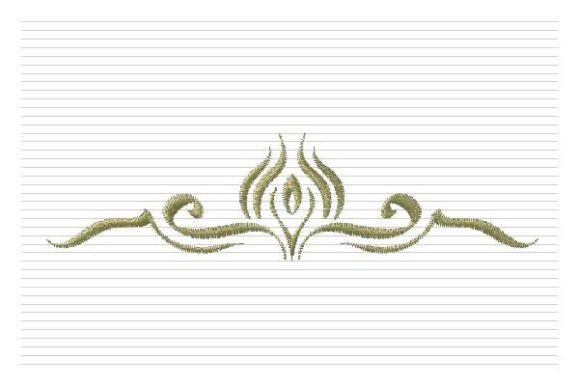
Gold Border: Elegant Corner Embroidery for Craft Fairs
First Impression: Timeless Opulence, Not Trendy Gimmick
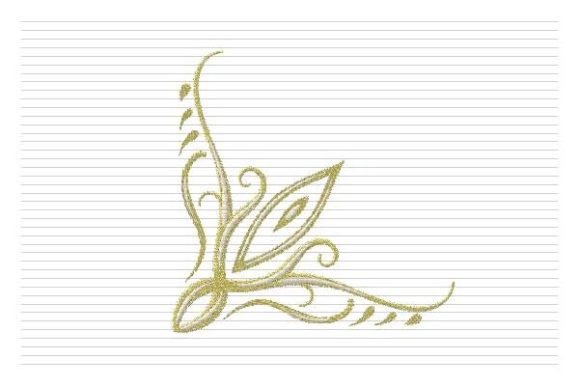
Right off the bat, Gold Border reads as premium—not flashy, not cutesy, not rustic or minimalist. It’s elegant. The phrase “Golden Corner Border” and “delicate swirls and fine details” signal refined craftsmanship, not mass-produced charm. At a craft fair, where shoppers scan dozens of booths in seconds, this design doesn’t shout—it invites closer looking. That’s gold (pun intended) for handmade sellers who want their booth to feel curated, intentional, and quietly luxurious.
Where Gold Border Shines on Real Craft Fair Products
This isn’t a one-size-fits-all border—it’s a strategic accent. Here’s where it delivers real sales impact:
- Tote bags: Placed in the bottom-right corner of a natural linen or oatmeal canvas tote, Gold Border adds instant heirloom appeal—especially when paired with a simple monogram or small logo nearby. Customers perceive higher value before even touching the fabric.
- Aprons: On the lower pocket edge or along the waistband curve, it elevates utilitarian kitchen wear into giftable boutique merchandise. Works especially well on medium-weight cotton twill—holds detail without puckering.
- Tea towels: A single corner placement keeps the design legible and uncluttered. Avoid centering—it’s a border, not a motif—and tea towel buyers respond strongly to clean, balanced composition.
- Embroidered patches: At 3–4 inches wide, Gold Border translates beautifully as a standalone patch. Ideal for pinning onto denim jackets, market bags, or stitching onto kids’ backpacks. Its symmetry and graceful flow make it instantly recognizable—even at arm’s length.
- Pillow covers & small pouches: Perfect scale for 12"–16" square pillows or 5"×7" drawstring pouches. The corner framing creates visual weight without overwhelming delicate fabrics like velvet or brushed cotton.
What Holds It Back—And How to Work Around It
“Intricately crafted” is a strength—but also a caution. As a working embroidery designer, I immediately flag these practical constraints:
- Dense stitch areas: Fine swirls mean tighter stitch density. Test on your target fabric *before* cutting production runs—especially on textured towels or thick canvas. Too much density = stiff, raised borders that crack or snag.
- Delicate details at small scale: Below 2.5", the finest curls blur. Skip using Gold Border on tiny keychain tags or baby onesies. Stick to applications where it reads clearly from 2 feet away.
- Curved surfaces: Caps and curved market bag handles distort corner geometry. Reserve Gold Border for flat or gently rounded planes—like apron pockets or tote bag hems.
- Dark or heavily textured fabric: Gold thread loses luminosity on charcoal linen or terry cloth. Opt for matte gold or antique gold thread on darks—and always test contrast. A printable mockup won’t reveal how light reflects off real thread.
Photography, Listings, and Online Conversion
Gold Border photographs exceptionally well—for two reasons. First, its high-contrast elegance reads cleanly in natural light. Second, corner placement creates built-in negative space, making Etsy listings and Instagram posts feel editorial, not cluttered. Unlike busy all-over patterns, this border gives your product breathing room. Pair it with a neutral background and one hero item (e.g., an embroidered tea towel draped over a ceramic mug), and you’ve got scroll-stopping clarity.
For digital sellers: Use Gold Border across multiple product types (tote + apron + patch) to build cohesive design assets. Consistency signals professionalism—critical for small shop products competing against big-box imitations.
Booth Impact & Buyer Engagement
In person, Gold Border performs like quiet confidence. It doesn’t compete with bold typography or loud colors—it complements them. At my last craft fair, I displayed three identical linen tote bags: one plain, one with a large floral motif, one with Gold Border in the corner. The third drew the most lingering attention—shoppers tilted their heads, ran fingers over the stitches, asked, “Is that real gold thread?” That tactile curiosity is pure conversion fuel.
It also strengthens brand consistency. If your line uses soft neutrals and hand-finished edges, Gold Border reinforces that aesthetic. It says “thoughtful,” not “trend-chasing.” And unlike seasonal motifs, it stays relevant year-round—ideal for holiday markets, spring fairs, and wedding pop-ups alike.
Designer Notes You Can’t Skip
Before embroidering your first batch:
- Test the machine embroidery design on scrap fabric matching your final product—same thread, same stabilizer, same hoop size.
- Check thread contrast: matte gold on ivory linen reads differently than metallic gold on navy denim.
- Review spacing: Does the design leave enough margin for seam allowances or folding? Corners get trimmed or folded more often than centers.
- Inspect stitch density: Zoom in on your embroidery software. Are any swirls under 0.8mm apart? Those may collapse on dense fabrics.
- Use the right stabilizer: Tear-away for stable wovens; cut-away for knits or stretchy blends.
- Create at least one real mockup—not just a digital preview. Light, texture, and drape change everything.
- Compare fabric colors side-by-side: Ivory, oatmeal, and natural linen look identical on screen but behave very differently under thread.
- Confirm commercial licensing: If you’re selling finished products, verify your digital embroidery file includes rights for commercial embroidery. Don’t assume.
Final Verdict: A Quiet Powerhouse for Handmade Sellers
Gold Border isn’t the flashiest embroidery file in your library—but it might be the most versatile. It bridges online appeal and in-person presence. It lifts the perceived value of simple handmade products without demanding complex execution. For Etsy sellers, craft fair vendors, and boutique makers building long-term brands, this is the kind of borders design that earns repeat customers, not just one-time impulse buys. Use it intentionally—not everywhere, but where elegance speaks louder than volume. That’s how Gold Border becomes more than decoration. It becomes your signature.